
The Best Time to Visit Tanzania for an Unforgettable Safari
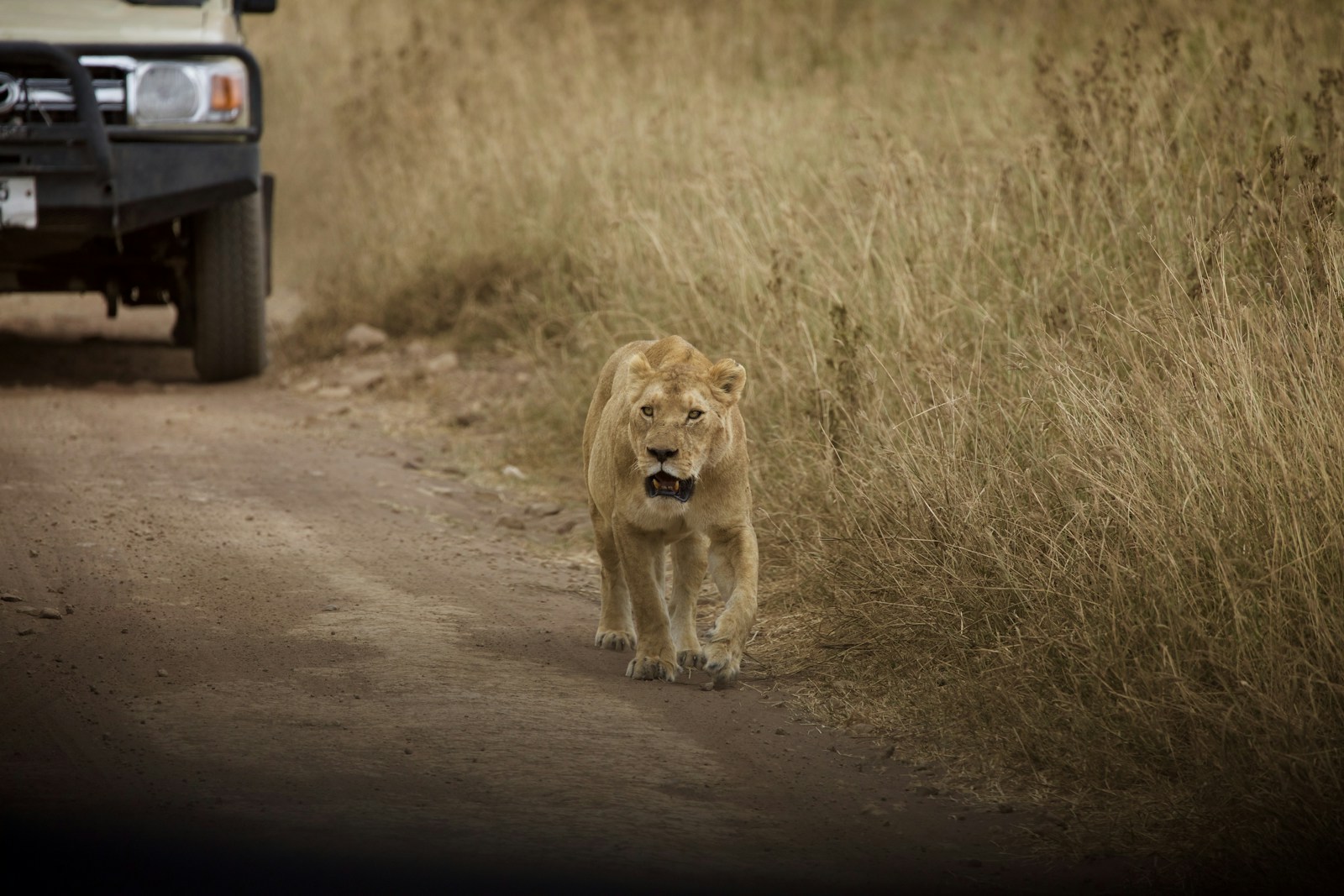
Tanzania is rewarding in every season, but the best time to visit depends on what you hope to see. Wildlife remains present year-round, while rainfall, migration movements, visitor numbers, and landscapes change from month to month.
June to October: the classic dry season
Dry weather makes these months especially popular for Serengeti, Ngorongoro, Tarangire, and Lake Manyara safaris. Animals gather near reliable water sources, vegetation is less dense, and game viewing is often straightforward. Mornings can be cool, so bring a warm layer for early drives.
January to March: calving season
The southern Serengeti and Ndutu plains become an important stage for the Great Migration. Large herds arrive to give birth, attracting predators and creating excellent opportunities for wildlife observation and photography. Days are generally warm, with occasional showers that freshen the plains.
April and May: Tanzania’s green season
The long rains bring dramatic skies, vivid scenery, fewer vehicles, and excellent value. Some roads can be muddy and plans need flexibility, but photographers often love the soft light and rich colours. Many resident animals remain easy to find.
November and December: short rains
Brief showers revive the landscape without normally occupying the whole day. Migrating herds begin moving south again, birdlife is superb, and visitor numbers may be lower than during the peak dry months.
Choosing your dates
Choose June through October for dependable dry-season viewing, January through March for calving, or the green season for quieter parks and lush landscapes. Expediz Adventure can shape the route around your dates, interests, and preferred travel style.