
Serengeti Safari Guide: Wildlife, Landscapes and the Great Migration
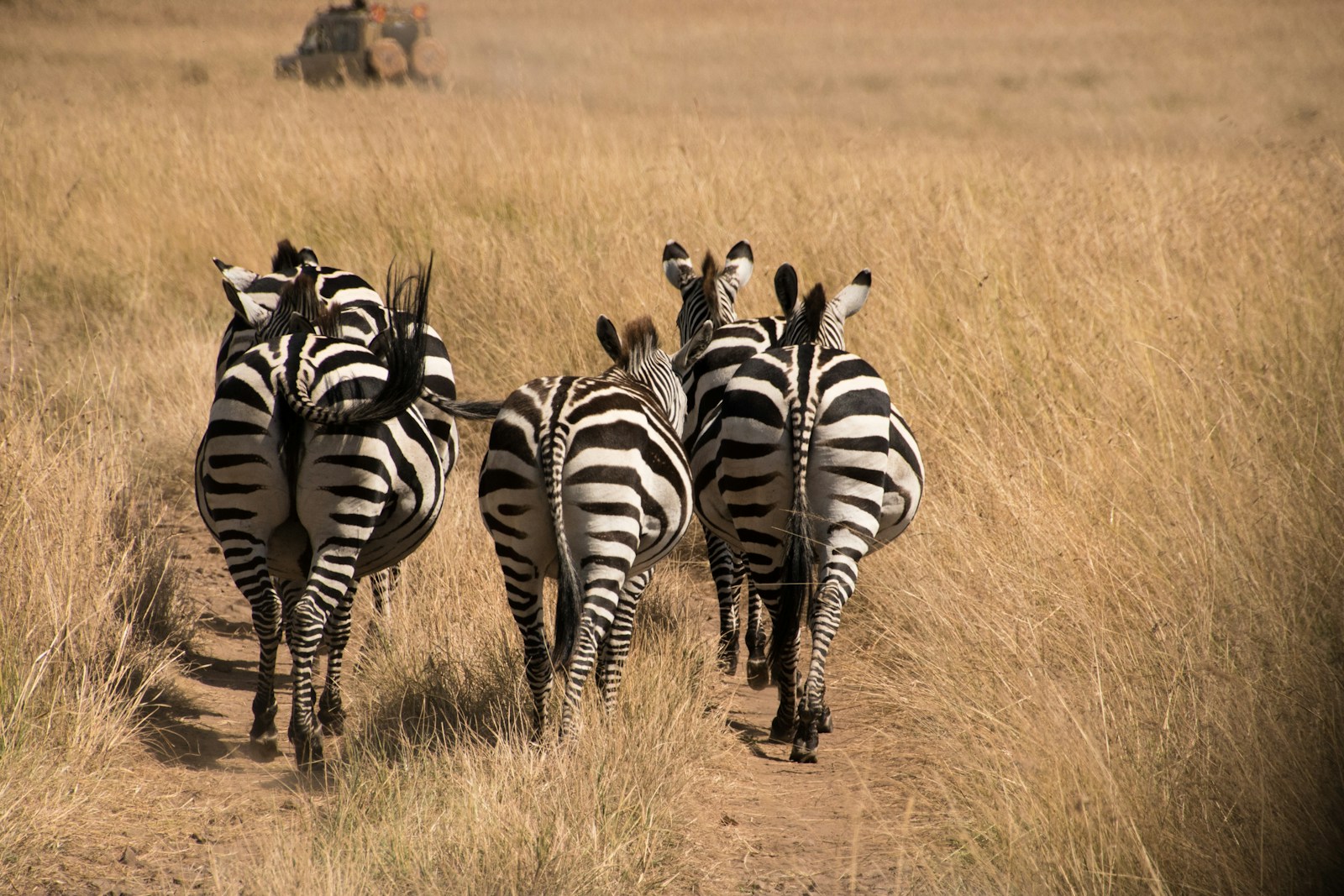
Serengeti National Park is one of Africa’s defining wilderness areas. Its name is associated with seemingly endless plains, immense herds, and some of the world’s finest predator sightings. Yet the park is diverse: open grassland gives way to rocky kopjes, river valleys, and wooded country.
The Great Migration
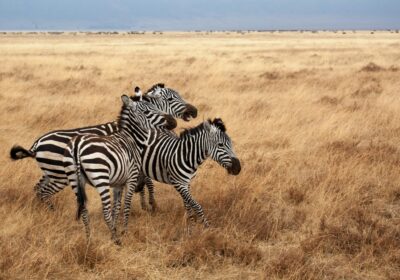
Wildebeest, zebra, and gazelle move through the wider Serengeti ecosystem in search of fresh grazing and water. Their location changes with rainfall rather than a fixed calendar. The southern plains are known for calving early in the year, while western and northern areas become important as the herds move onward.
Wildlife beyond the migration
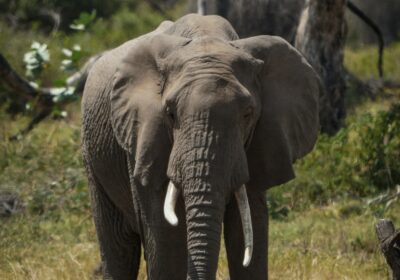
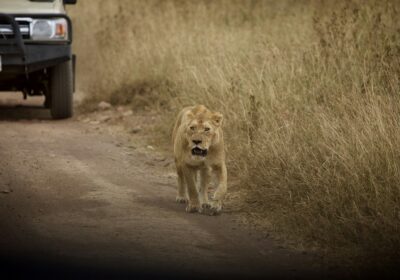
The Serengeti supports resident wildlife throughout the year. Lions rest around kopjes, cheetahs scan open plains, leopards favour riverine trees, and elephants move through woodland areas. Giraffes, buffalo, hippos, hyenas, and abundant birdlife make every drive different.
How long should you stay?
Allow at least two or three nights, and longer if you want a relaxed pace or hope to reach a seasonal migration area. Combining the Serengeti with Ngorongoro, Tarangire, or Lake Manyara creates a varied northern-circuit itinerary.
What to pack
Bring neutral clothing, sun protection, binoculars, a camera, and a light jacket. Soft-sided luggage is useful for safari vehicles and small aircraft. Most importantly, arrive with patience: the best encounters often unfold when you slow down and watch.
Our Serengeti itineraries balance productive game drives with enough time to appreciate the scale and quiet of the landscape.